
Clean Agent Fire Systems
Last Updated 12/2025
English
30-Day Money Back Guarantee
Full Lifetime Access
Finish in
11 min! Run Time
11 min! Run Time
Made for for
Employees
only
Employees
only
Certificate
of Completion
of Completion
Mobile -
Friendly
Access
Friendly
Access
What you'll learn
Recall what clean agent fire systems are and how they work
Identify the hazards of clean agents in fire systems
Recognize the importance of keeping clean agent fire systems enclosed for the recommended amount of time
Remember what to do if a clean agent fire system is about to or has already discharged
Description
Clean agent fire systems put out fires in areas where water, foam or residues could damage sensitive or important equipment, such as electronics. The gases that these systems use harm people who are overexposed to them. Take this course to learn more about clean agent fire systems, how they work, their hazards, and what to do when they are about to or have already discharged. This course is ideal for all employees, supervisors and managers who work where clean agent fire systems are present.
System Requirements
See System Requirements in the Coggno Knowledge Base
Clean Agent Fire Systems
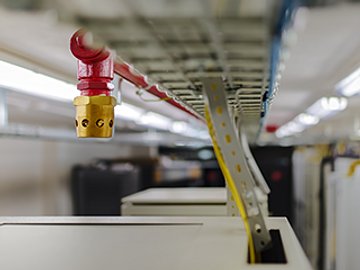
Clean Agent Fire Systems
Clean agent fire systems put out fires in areas where water, foam or residues could damage sensitive or important equipment, such as electronics. The gases that these systems use harm people who are overexposed to them. Take this course to learn more about clean agent fire systems, how they work, their hazards, and what to do when they are about to or have already discharged. This course is ideal for all employees, supervisors and managers who work where clean agent fire systems are present.
Frequently Asked Questions
This course is designed for employees who need to complete Clean Agent Fire Systems training
Yes. This course is designed to meet applicable federal requirements and commonly mandated state standards. Always confirm specific state or industry requirements with your local regulations.
The course takes approximately 11 minutes to complete and can be paused and resumed at any time.
Yes. Learners receive a downloadable certificate upon successful completion, which can be used for compliance records and audits.
Yes. You can assign this course to individuals or groups using Coggno’s LMS, or purchase multiple seats for your team.
Yes. This course can be exported for delivery in most learning management systems (SCORM compatible).
Yes. The course is fully self-paced and available 24/7.
Yes. This course includes a knowledge check to reinforce learning and verify completion.
Learners have lifetime access from the date of purchase.
Yes. A preview is available so you can review the course format and content before purchasing.
Yes. Content is reviewed and updated as regulations and best practices change.
Yes. This course is available for free with an active Prime Subscription.
Yes. Refund requests can be submitted within 30 days of purchase.


OSHA Compliance
- Bloodborne Pathogens Training (15)
- Electrical Safety (44)
- Fire Safety Training (49)
- First Aid Training (43)
- Forklift Training (9)
- HazCom (Hazard Communication) (27)
- Lockout/Tagout (LOTO) (27)
- OSHA 10 Hour Training (10)
- OSHA 30 Hour Training (4)
- PPE (Personal Protective Equipment) (105)
- Slips, Trips & Falls (60)
- Workplace Safety (635)